
Because we are a small team that lives and breathes creative culture, we approach furniture and home decor the same way we approach body art: craftsmanship matters, care matters, and the best results come from making choices on purpose.
What does “the right approach” to furniture and home decor actually mean?
It means choosing pieces that fit your life first, then styling them to fit your taste. A “right approach” also includes upkeep, cleaning routines, and knowing when to bring in help, especially for shared spaces like halls and places of worship that require church cleaning.
If you get the basics right, furniture and home decor becomes easier to build over time, rather than a stressful makeover you repeat every year.
How do you start with furniture and home decor when you feel overwhelmed?
Start with function and constraints: room size, storage needs, budget, and who uses the space. Make a short list of what must work every day, such as a sofa that survives kids, pets, or housemates, and a dining set that fits the room without blocking walkways.
Then limit your focus to one room at a time. This stops furniture and home decor from turning into a trolley-load of random “cute” items.
Which furniture basics should you prioritise first?
Prioritise the pieces you touch daily: seating, sleeping, eating, and storage. In most Australian homes, that usually means a supportive mattress, a comfortable sofa, practical bedside storage, and a dining solution that suits your routine, even if it is a compact table in a flat.
Buy the best quality you can for these basics. Strong foundations make furniture and home decor feel more expensive than it is.
How do you measure properly so furniture fits Australian homes?
Measure the room, doorways, and the path in from the entrance before you buy. In older Australian houses, tight hallways and sharp turns can make delivery a nightmare, and in flats, lifts and stairwells can be the real limitation.
Use painter’s tape to map out footprints on the floor. It is a fast way to prevent “too big” mistakes in furniture and home decor.
What’s the simplest way to choose a style that won’t date quickly?
Pick a base style that is calm and flexible, then layer personality on top. Think timeless shapes and neutral big pieces, then add colour and edge through art, textiles, and small items you can swap out. Creating a balanced space with modern home styling ideas can help homeowners achieve a look that feels personal while remaining practical over time.
This is where our love of self-expression fits in. Furniture and home decor can still feel bold without locking you into one trend.
How do you bring personality into furniture and home decor without making it messy?
Give yourself a few consistent “anchors”: a colour palette, a material theme, and one repeating shape or motif. For example, warm timber plus black accents, or curved forms repeated in a mirror, lamp, and occasional chair.
Then display personal items like travel finds, books, and art in small, edited groups. Curated details keep furniture and home decor expressive, not chaotic.
What materials work best in Australian conditions?
In much of Australia, heat, sun, and humidity can be harder on interiors than people expect. Look for UV-resistant fabrics where possible, choose sealed timber finishes, and avoid placing delicate materials in direct sun near big windows.
For coastal areas, prioritise hardware that resists corrosion and consider slipcovers you can wash. Durable material choices make furniture and home decor easier to maintain. Choosing coastal-friendly furniture solutions can also help protect pieces from humidity, salt air, and everyday wear while keeping the home looking fresh.
How do you mix old and new pieces without clashing?
Match by tone and proportion rather than age. A vintage timber dresser can sit happily next to a modern sofa if the timber tone relates to another element in the room, such as flooring or shelving.
Keep one element consistent across the mix, like black metal accents or soft linen textures. That balance is a reliable shortcut in furniture and home decor.
What is the most budget-friendly way to upgrade furniture and home decor?
Start with lighting and soft furnishings. A better floor lamp, updated cushions, a larger rug, and proper curtains can change a room more than replacing every piece of furniture.
Also check Australian marketplaces and op shops for solid timber items you can clean and refresh. Smart upgrades let furniture and home decor feel new without a full-price haul.
How can you shop ethically and still get great furniture?
Look for well-made second-hand pieces, Australian-made options where possible, and brands that offer replacement parts and repair support. Ask about frame materials, foam density, and whether fabrics can be cleaned properly.
Ethical shopping is also about longevity. Buying once and maintaining well is often the most responsible move in furniture and home decor.
How do you create a cohesive look room to room?
Repeat a few materials and colours across the home, even if each room has its own mood. For example, keep warm timber consistent, echo the same off-white wall tone, or repeat black hardware in multiple rooms.
Cohesion does not mean everything matches. It means your furniture and home decor choices feel related rather than random.
What cleaning habits protect furniture and home decor long term?
Dust weekly, vacuum upholstery and rugs regularly, and address spills straight away. Rotate cushions and rugs to reduce uneven wear, and use felt pads under furniture to protect floors and stop scraping.
Also check care labels before you use strong products. Good maintenance keeps furniture and home decor looking intentional, not tired.
What should you know about deep cleaning upholstery, rugs, and mattresses?
Deep cleaning depends on fabric type and construction. Many sofas handle gentle upholstery cleaning, but delicate fabrics can watermark or shrink if over-wet. Rugs vary wildly too, especially wool, jute, and viscose blends.
When in doubt, do a spot test in an unseen area and consider professional cleaning for higher-value items. Deep care is part of furniture and home decor, not an afterthought.
How does the approach change for shared spaces like community halls and churches?
It changes because the space gets heavy foot traffic, varied users, and higher hygiene expectations. Seating must be durable, surfaces must be easy to sanitise, and storage should support events, donations, and group activities without clutter building up.
In these settings, furniture and home decor is about function, safety, and welcoming comfort, not just style.
What are the key priorities for church cleaning that protect interiors?
Prioritise high-touch points and high-traffic zones: entry mats, pews or chairs, armrests, door handles, bathrooms, and kitchens. Use products suited to the surface so you do not damage finishes, especially timber, polished floors, and painted walls.
A consistent schedule matters more than occasional intense cleans. Regular church cleaning preserves furniture and home decor and keeps the space pleasant.
How do you set up a practical church cleaning checklist?
Start with daily or post-service tasks, then weekly, then monthly deep cleans. Daily might include bin emptying, bathroom touch-ups, vacuuming main walkways, and wiping high-touch surfaces. Weekly can add mopping, dusting ledges, cleaning glass, and checking marks on walls.
Assign owners to tasks where possible. A simple roster makes church cleaning stick and protects furniture and home decor from slow decline.
What products and tools are safest for church cleaning in Australia?
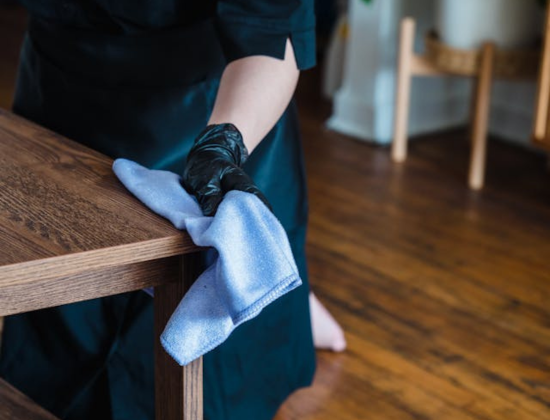
Use pH-neutral cleaners for many floors and sealed surfaces, microfibre cloths for dusting and wipe-downs, and a vacuum with suitable attachments for fabric chairs and corners. For disinfecting, follow Australian label instructions and ensure ventilation, especially in older buildings.
Avoid harsh abrasives on timber and polished metal. The goal of church cleaning is to clean without stripping finishes that support furniture and home decor.
When should you hire professional cleaners for a church or community space?
Hire professionals when the space is large, the schedule is frequent, or there are specialised needs like carpet extraction, mould concerns, or post-event restoration. Professionals also help when volunteer time is limited or when you need consistent standards before weddings, funerals, or major services.
Outsourcing can be cost-effective if it prevents damage and extends the life of furniture and home decor.
How do you choose furniture and home decor that stays welcoming for everyone?
Choose comfort, accessibility, and practical layout flow instead of focusing only on dramatic design statements. Spaces should include clear pathways, supportive seating options, and lighting that works for different users and activities. In homes, this may mean selecting furniture with the right height and comfort level, while churches and event spaces may require careful chair placement, safe flooring, and reliable Event Cleaning Services to maintain a clean, organised environment before and after gatherings.
Inclusive choices make furniture and home decor feel good to live with, not just good to photograph.
What is the simplest plan you can follow from basics to church cleaning?
Start with a functional foundation, build style slowly, and commit to routine care. For your home, buy core pieces first and personalise with flexible layers. For shared spaces, choose durable items and follow a cleaning schedule that matches traffic.
When you treat furniture and home decor like something you maintain, not just buy, it stays beautiful for longer.