Jeremy Battye

Creative Design and Branding: Comparing Your Options (and Where Sydney .net Development Fits In)

Creative Design and Branding: Comparing Your Options (and Where Sydney .net Development Fits In)

This guide compares your main paths, from DIY to agencies, and explains where Sydney .net development fits when you need the site to be fast, secure, and easy to maintain in Australia. What does creative design and branding actually include? Creative design and branding includes your visual identity, your words, and how customers experience you across channels. It is your logo, colours, typography, imagery style, brand voice, layout patterns, and the rules that keep it all consistent. For a tattoo culture and body art resource, it also includes trust signals such as clear author credibility, safety and aftercare clarity, and a look that feels authentic rather than stock. A reliable Sydney .NET development team can help implement these trust-building features while ensuring the website remains secure, fast, and easy to manage. Why does creative design and branding matter for tattoo culture and lifestyle shoppers? Creative design and branding matters because your readers are buying with emotion and trust, especially when the topic is body art. They want practical guidance, but they also want to feel understood by people who live the culture. A strong brand makes your advice feel reliable and your content easier to navigate, whether someone is choosing aftercare basics or browsing ideas that match their home and lifestyle tastes. What options do you have for creative design and branding in Australia? You usually have four options: do it yourself, hire a freelance designer, use a small studio, or engage a full-service agency. Each choice changes your cost, speed, and control. If your site is run by a small team, the best option is often the one that protects your time and keeps quality high without adding ongoing complexity. Should you DIY your brand and website design? DIY can work if you have a clear eye, a simple content plan, and the patience to iterate. It is most useful when you are testing categories, refining audience fit, or launching a small refresh without a big budget. Using website content optimisation strategies can also help improve structure, readability, and engagement as the platform grows. The risk is inconsistency. Without a system, your pages can start to look like separate projects, which weakens creative design and branding over time. When does a freelance designer make the most sense? A freelancer is a great fit when you need one strong deliverable, like a logo, a homepage design, or a style guide, and you want direct communication. In Australia, freelancers can also be easier to book for smaller bursts of work. The trade-off is coverage. One person may not offer copy, UX, illustration, and dev, so you may need to coordinate pieces yourself to keep creative design and branding cohesive. What do you get from a small branding studio? A small studio usually brings tighter processes and stronger consistency than a solo freelancer. You often get strategy, visual identity, templates, and basic website design in a package that is still approachable for small teams. This can be ideal for niche publishers because a good studio will translate your lived expertise into a system that supports content, not just a pretty landing page. Partnering with a professional website development service can help turn specialist knowledge into a scalable digital platform that supports long-term growth. When is a full service agency worth it? A full service agency is worth it when you have multiple stakeholders, a large site rebuild, or a performance mandate tied to growth targets. They can run research, brand strategy, design systems, content design, development, and analytics as one programme. The downside is cost and momentum. If you move fast and publish frequently, you need an agency that respects your voice and does not bury you in process. How do you compare these options without getting overwhelmed? Compare options by outcomes, not buzzwords. Ask what will change in the next 90 days: clearer navigation, better templates, faster pages, higher newsletter sign-ups, improved affiliate conversions, or fewer content bottlenecks. Then judge each option by your constraints: time, budget, internal skills, and how important it is to preserve your authentic tone around tattoo culture. What’s the difference between branding, visual identity, and web design? Branding is the meaning people attach to you, built through every interaction. Visual identity is the toolkit that makes you recognisable, like colours, fonts, and imagery rules. Web design is how those elements become pages that people can use. Treat them as connected. Creative design and branding should improve readability, trust, and flow, not just aesthetics. What should a brand strategy include for a niche content site? A practical brand strategy should define who you serve, what you help them do, and how you sound while doing it. For hegirlwithbangs.com, that might be “real tattoo industry experience, explained simply for lifestyle shoppers who value craft and care”. It should also set boundaries, like what you will not publish just for clicks, which strengthens creative design and branding credibility. How do you keep a consistent brand voice across articles? Start with a short voice guide that your team can actually use. Define sentence length, tone, vocabulary, and what “trustworthy” looks like in your niche, such as referencing real studio practices and clear aftercare cautions. Consistency is not about sounding corporate. It is about sounding like the same knowledgeable humans across every post, which reinforces creative design and branding. What role do templates play in creative design and branding? Templates are the quiet hero of consistency. If your headings, callouts, image captions, product recommendation blocks, and author boxes follow a pattern, readers learn how to scan and trust you. Templates also reduce time spent fiddling with layout in WordPress. That is often the difference between publishing regularly and burning out. How do you choose between WordPress themes, custom design, and page builders? A quality theme is fastest and cheapest, but can box you into its layout logic. A page builder can speed up design changes, but it may add bloat and make performance harder, especially on mobile. Custom design is

Creative Design and Branding: Comparing Your Options (and Where Sydney .net Development Fits In) Read More »

Are Creative Design and Branding Worth Looking Into? A Note on SEO Agency Sydney

Are Creative Design and Branding Worth Looking Into? A Note on SEO Agency Sydney

For a tattoo culture and body art resource like hegirlwithbangs.com, this matters even more. People do not just want information. They want confidence, taste, and a sense that the team really knows the culture. What do “creative design” and “branding” actually mean for a small site? Creative design is how your site looks and feels in practice, including layout, typography, colour, photography, and how content is presented. A professional SEO agency Sydney can help ensure that strong design is also supported by search-friendly structure and content, while branding provides the consistent identity behind it through voice, values, and visual cues people remember. For a body art and lifestyle audience, branding is what tells readers, in seconds, whether you are a credible guide or just another generic blog. Is creative design really worth it if you already have good content? Yes, because design changes how your content is read, trusted, and shared. Even strong articles can underperform if the page feels messy, dated, or hard to scan. If your goal is to serve readers with practical, trustworthy information, design helps them get to the point faster. It also reduces the friction that makes people bounce before they reach the useful bits. How does branding help a tattoo culture and body art resource stand out? Branding helps you signal lived experience, not recycled advice. That can show up in your tone, your imagery, your choice of topics, and the way you frame care, craftsmanship, and culture. For hegirlwithbangs.com, branding can reinforce that the site is run by artists and enthusiasts who have spent years around the industry. That difference is valuable, but only if readers can feel it quickly. What are the most common signs your design is holding you back? The clearest signs are practical: low time on page, high bounce rate, and readers not clicking to a second article. You might also notice that your best posts get fewer backlinks or shares than you would expect. Another sign is inconsistency. If your pages feel like they were built at different times, or your visuals do not match your voice, your credibility can drop without you realising. Maintaining consistent website branding and content strategy can help create a stronger online presence and build trust with visitors. What is the connection between branding and SEO? Branding and SEO meet at behaviour and clarity. Search engines reward pages that satisfy intent, but they also observe signals like clicks, engagement, and whether people stick around. Strong branding supports SEO by making your snippets more clickable, your pages more readable, and your site more memorable. In practice, that can support rankings, not through “magic”, but through better user response. Where does an SEO agency fit into this picture? An agency should translate your creative identity into search performance without flattening your voice. A good SEO agency Sydney will look at your technical foundation, content structure, internal linking, and topical authority, then align them with how you want to be perceived. The best work is collaborative. Your team knows the culture and the craft. The agency should know how to package that expertise so Google and readers both understand it. Working with an experienced digital marketing and SEO partner can help align your expertise with effective search visibility and user-focused content. Why mention SEO agency Sydney specifically? Sydney is a major hub for creative businesses, ecommerce, studios, and service brands, so there is a dense market of SEO providers with very different styles. That makes it worth being specific about what you need, not just who is nearby. If you are in Australia, working with a local SEO agency Sydney can also help with local search nuance, Australian spelling preferences, and audience expectations across cities and regions. What should you expect from an SEO agency if your site is niche and experience-led? You should expect them to protect your authenticity while improving discoverability. That means they should not push you into bland templates or generic keywords that do not match tattoo culture. A capable SEO agency Sydney should ask about your audience and your ethics, including how you talk about safety, aftercare, and artist respect. They should then build search strategy around those real priorities, not just traffic. How can creative design improve SEO results without changing your message? Design can improve SEO by enhancing readability and navigation. Clear headings, strong hierarchy, and scannable formatting help readers find answers quickly, which often improves engagement. It also supports internal linking. If “related guides” and category hubs are well designed, more readers will move through your site naturally. That makes your content feel like a library, not a list of posts. What does “good branding” look like on a WordPress site? It looks consistent, fast, and intentional. Fonts match the mood, colours feel deliberate, imagery is high quality, and every page feels like it belongs to the same world. It also sounds consistent. If your writing is practical and trustworthy, your UI microcopy should match that. Even small details, like button text and author bios, should feel like your team wrote them. Which pages should you prioritise first for design and branding updates? Start with the pages that shape first impressions and conversions. That usually means your homepage, category pages, and your top 10 traffic posts. If hegirlwithbangs.com is serving home and lifestyle shoppers, also prioritise guides that influence decisions, such as aftercare explainers, placement considerations, and “what to expect” articles. These are the pages readers will judge you by. How do you keep the site feeling creative without making it harder to use? You keep creativity in the details that do not block reading. Use strong photography, confident typography, and clear spacing, but keep layouts simple and predictable. The goal is to let the content breathe. If readers come for practical guidance, they should never have to fight pop-ups, heavy animations, or confusing menus to get it. What role does content structure play in both branding and SEO? Structure is where your voice meets usability. When

Are Creative Design and Branding Worth Looking Into? A Note on SEO Agency Sydney Read More »

5 Things Worth Knowing About Furniture and Home Decor, Including Event Cleaning Services

5 Things Worth Knowing About Furniture and Home Decor, Including Event Cleaning Services

Below are five things worth knowing about furniture and home decor, including event cleaning services, written for Australian homes and real-life routines. How do you choose furniture that actually suits your lifestyle? Choose pieces that match how you live day to day, not how you wish you lived on a perfect Saturday. Measure properly, map walking paths, and prioritise comfort and durability over trends. This is the first of the 5 things worth knowing about furniture and home decor, including event cleaning services, because the wrong sofa or dining setting becomes an expensive daily annoyance. Start with your highest-use zones: lounge, dining, bed. In Australia, heat, humidity, pets, kids, and sandy feet all matter. Fabrics that look great in a showroom can feel sticky in summer or show every mark after one barbie. A simple rule: buy the best you can afford for the items you touch the most. For everything else, go flexible. Side tables, stools, and shelving are easier to swap as your taste evolves, just like adding small flash around a larger, more meaningful piece. Also check the practical details that don’t photograph well. Seat height, arm height, cushion density, and the depth of a lounge all change how your body feels after two hours. If possible, sit on it properly, not just a quick perch. What materials and finishes hold up best in Australian homes? The best finishes are the ones that suit your climate and cleaning habits, because Australian living tends to be casual and high-traffic. Prioritise materials that can handle sunlight, temperature swings, and regular wipe-downs. This is one of the 5 things worth knowing about furniture and home decor, including event cleaning services, since “low maintenance” often looks different in Brisbane than it does in Hobart. For timber, ask what it is and how it is sealed. A good hardwearing finish can cope with condensation rings and quick cleans. For families, a sealed top often beats a delicate oil finish that needs constant babying. For sofas, don’t just ask “is it stain resistant?” Ask if the covers are removable, whether the fabric pills, and if it is colourfast in sun. If your lounge gets strong light, consider UV exposure as seriously as you would for artwork. For benchtops and tables, think about what you actually do. If you serve drinks, do crafts, or host often, the surface needs to resist scratches and heat. If you hate fussing, glossy finishes may show fingerprints more than you expect. Finally, don’t underestimate hardware. Drawer runners, hinges, and bed slats are the “craftsmanship” layer of furniture, like linework in a tattoo. You might not notice it at first, but you will later. Paying attention to quality furniture construction details can help buyers recognise pieces that are built for long-term use. How do you make home decor feel personal without making it cluttered? The easiest way is to choose a clear theme, repeat a few colours, and let the room breathe. You can still show personality; you just need fewer, better pieces. This belongs in the 5 things worth knowing about furniture and home decor, including event cleaning services, because styling can quickly turn into visual noise, especially when you shop impulsively. Think of decor like a curated wall. A few strong choices beat a scatter of random ones. Pick one or two hero elements per room: an artwork, a rug, a statement chair, or a bold lamp. Then support it with quieter pieces. Using intentional interior decor choices can create a more cohesive and inviting space without making the room feel cluttered. If you love collecting, give your collections boundaries. One shelf, one cabinet, one wall. When everything has a “home”, it looks intentional rather than messy. Rotating items seasonally can also scratch the itch for change without buying more. Australian light can be intense, so texture matters. Linen, timber grain, ceramics, and woven fibres can add depth without relying on lots of extra objects. Even a simple room feels richer when it has a few tactile surfaces. If you’re unsure what your style is, look at what you already love. The colours in your wardrobe, the prints you’re drawn to, the cafés you feel comfortable in. That is usually your real taste, not whatever is trending online. When is it worth investing in professional cleaning for your home and furniture? It is worth it when your time is tight, your surfaces need specialised care, or you are preparing for guests, rentals, or inspections. Professional cleaning can also extend the life of upholstery, rugs, and high-use areas. This is a practical part of the 5 things worth knowing about furniture and home decor, including event cleaning services, because a clean space makes even modest decor look expensive, while a dirty space makes great decor look tired. For upholstery, professional steam cleaning or low-moisture methods can lift oils and embedded dust that regular vacuuming won’t touch. This matters if you have allergies, pets, or fabric lounges that trap odours. For rugs, the bigger and denser they are, the more value you get from a deep clean. In many Australian homes, rugs take the hit from shoes, red dust, beach sand, and food spills. Regular spot cleaning helps, but it rarely resets a rug fully. For hard floors, a professional clean can remove built-up grime in textured tiles and grout. If you have stone, engineered timber, or speciality finishes, using the wrong product can dull the surface, so an expert approach can prevent damage. If you host often, you can also plan cleaning like you plan styling. A scheduled clean before or after key dates keeps your home feeling fresh without last-minute panic. What should you know about event cleaning services if you host at home? Event cleaning services can handle pre-event tidying, during-event touch-ups, and post-event resets, depending on what you book. They are especially helpful after birthdays, engagement parties, baby showers, and holiday gatherings at home. This is the final point in the 5 things worth

5 Things Worth Knowing About Furniture and Home Decor, Including Event Cleaning Services Read More »

Choosing the Right Approach to Furniture and Home Decor, From Basics to Church Cleaning

Choosing the Right Approach to Furniture and Home Decor, From Basics to Church Cleaning

Because we are a small team that lives and breathes creative culture, we approach furniture and home decor the same way we approach body art: craftsmanship matters, care matters, and the best results come from making choices on purpose. What does “the right approach” to furniture and home decor actually mean? It means choosing pieces that fit your life first, then styling them to fit your taste. A “right approach” also includes upkeep, cleaning routines, and knowing when to bring in help, especially for shared spaces like halls and places of worship that require church cleaning. If you get the basics right, furniture and home decor becomes easier to build over time, rather than a stressful makeover you repeat every year. How do you start with furniture and home decor when you feel overwhelmed? Start with function and constraints: room size, storage needs, budget, and who uses the space. Make a short list of what must work every day, such as a sofa that survives kids, pets, or housemates, and a dining set that fits the room without blocking walkways. Then limit your focus to one room at a time. This stops furniture and home decor from turning into a trolley-load of random “cute” items. Which furniture basics should you prioritise first? Prioritise the pieces you touch daily: seating, sleeping, eating, and storage. In most Australian homes, that usually means a supportive mattress, a comfortable sofa, practical bedside storage, and a dining solution that suits your routine, even if it is a compact table in a flat. Buy the best quality you can for these basics. Strong foundations make furniture and home decor feel more expensive than it is. How do you measure properly so furniture fits Australian homes? Measure the room, doorways, and the path in from the entrance before you buy. In older Australian houses, tight hallways and sharp turns can make delivery a nightmare, and in flats, lifts and stairwells can be the real limitation. Use painter’s tape to map out footprints on the floor. It is a fast way to prevent “too big” mistakes in furniture and home decor. What’s the simplest way to choose a style that won’t date quickly? Pick a base style that is calm and flexible, then layer personality on top. Think timeless shapes and neutral big pieces, then add colour and edge through art, textiles, and small items you can swap out. Creating a balanced space with modern home styling ideas can help homeowners achieve a look that feels personal while remaining practical over time. This is where our love of self-expression fits in. Furniture and home decor can still feel bold without locking you into one trend. How do you bring personality into furniture and home decor without making it messy? Give yourself a few consistent “anchors”: a colour palette, a material theme, and one repeating shape or motif. For example, warm timber plus black accents, or curved forms repeated in a mirror, lamp, and occasional chair. Then display personal items like travel finds, books, and art in small, edited groups. Curated details keep furniture and home decor expressive, not chaotic. What materials work best in Australian conditions? In much of Australia, heat, sun, and humidity can be harder on interiors than people expect. Look for UV-resistant fabrics where possible, choose sealed timber finishes, and avoid placing delicate materials in direct sun near big windows. For coastal areas, prioritise hardware that resists corrosion and consider slipcovers you can wash. Durable material choices make furniture and home decor easier to maintain. Choosing coastal-friendly furniture solutions can also help protect pieces from humidity, salt air, and everyday wear while keeping the home looking fresh. How do you mix old and new pieces without clashing? Match by tone and proportion rather than age. A vintage timber dresser can sit happily next to a modern sofa if the timber tone relates to another element in the room, such as flooring or shelving. Keep one element consistent across the mix, like black metal accents or soft linen textures. That balance is a reliable shortcut in furniture and home decor. What is the most budget-friendly way to upgrade furniture and home decor? Start with lighting and soft furnishings. A better floor lamp, updated cushions, a larger rug, and proper curtains can change a room more than replacing every piece of furniture. Also check Australian marketplaces and op shops for solid timber items you can clean and refresh. Smart upgrades let furniture and home decor feel new without a full-price haul. How can you shop ethically and still get great furniture? Look for well-made second-hand pieces, Australian-made options where possible, and brands that offer replacement parts and repair support. Ask about frame materials, foam density, and whether fabrics can be cleaned properly. Ethical shopping is also about longevity. Buying once and maintaining well is often the most responsible move in furniture and home decor. How do you create a cohesive look room to room? Repeat a few materials and colours across the home, even if each room has its own mood. For example, keep warm timber consistent, echo the same off-white wall tone, or repeat black hardware in multiple rooms. Cohesion does not mean everything matches. It means your furniture and home decor choices feel related rather than random. What cleaning habits protect furniture and home decor long term? Dust weekly, vacuum upholstery and rugs regularly, and address spills straight away. Rotate cushions and rugs to reduce uneven wear, and use felt pads under furniture to protect floors and stop scraping. Also check care labels before you use strong products. Good maintenance keeps furniture and home decor looking intentional, not tired. What should you know about deep cleaning upholstery, rugs, and mattresses? Deep cleaning depends on fabric type and construction. Many sofas handle gentle upholstery cleaning, but delicate fabrics can watermark or shrink if over-wet. Rugs vary wildly too, especially wool, jute, and viscose blends. When in doubt, do a spot test in an unseen area

Choosing the Right Approach to Furniture and Home Decor, From Basics to Church Cleaning Read More »

What Is Dining Table Set for Sale? A Quick Guide for Home and Lifestyle Shoppers

What Is Dining Table Set for Sale? A Quick Guide for Home and Lifestyle Shoppers

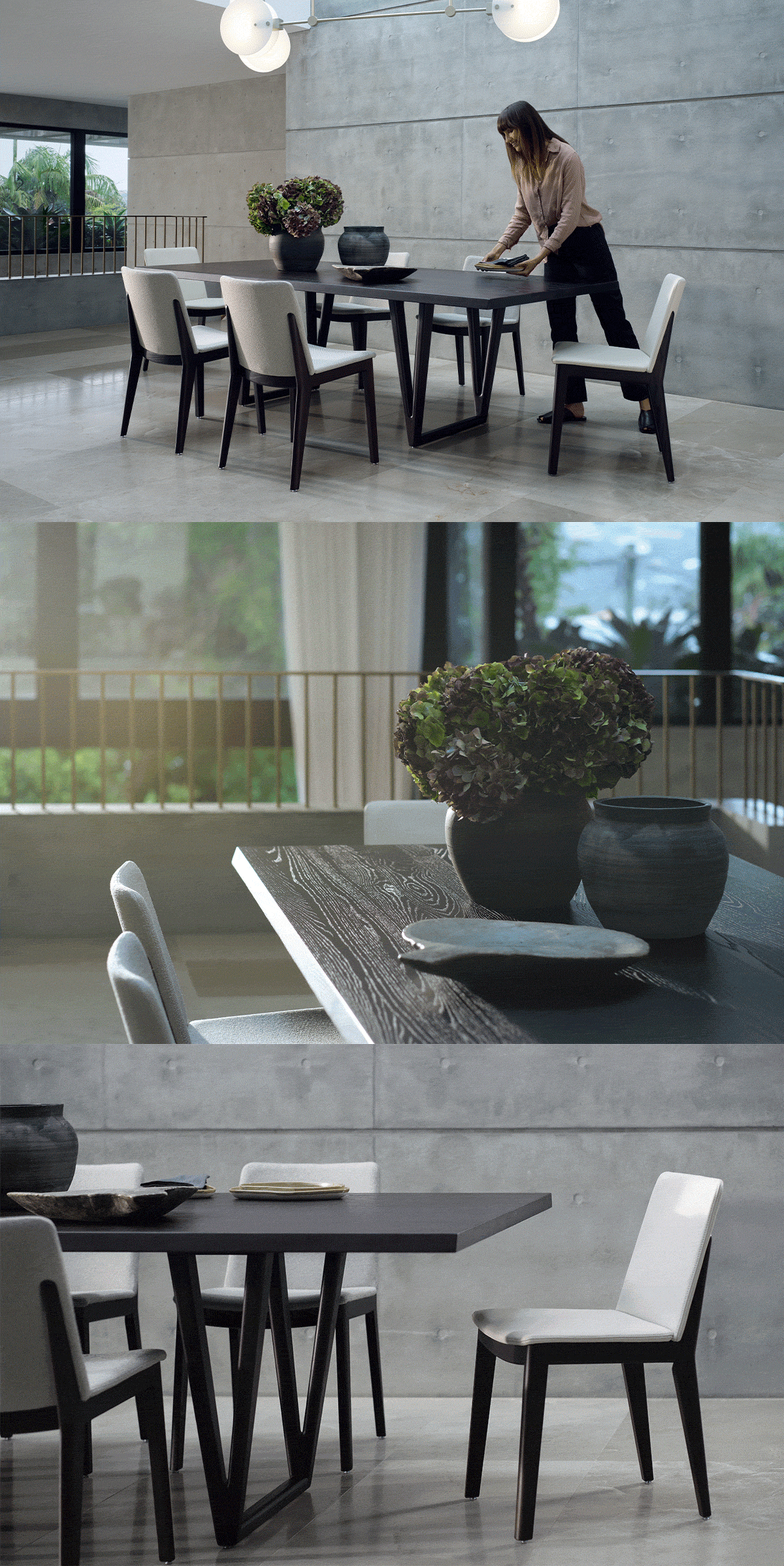
Even though hegirlwithbangs.com is best known for tattoo culture and body art, the same mindset applies here: know the craft, check the details, and choose what fits your lifestyle. What does “dining table set for sale” actually mean? A dining table set for sale is a bundled listing that includes a dining table and matching seating, usually chairs, sometimes a bench. It is marketed as a complete look, so you do not need to mix and match. In Australia, these sets are commonly labelled by seat count, like 4-seater, 6-seater, or 8-seater, and may be sold online, in showrooms, or via clearance events. Why do people buy a dining table set instead of mixing pieces? People choose a set because it reduces decision fatigue and helps ensure everything fits together visually and physically. A dining table set for sale is also often better value, since retailers discount bundles more aggressively than single items. The trade-off is flexibility. If you love the table but dislike the chairs, you may end up replacing seating sooner than planned. What’s usually included in a dining table set for sale? Most sets include one table and a fixed number of chairs, commonly four or six. Some listings also include a bench, extension leaf, or a compact design suited to flats. Always read what is included, because a dining table set for sale can be photographed with styling pieces that are not part of the deal, such as a rug, sideboard, or decorative chairs swapped in for the shoot. “ How do you choose the right size for Australian homes? Start with your room measurements, not the seat count on the label. In many Australian homes, dining areas are open-plan, so you need clearance for walkways and nearby cabinetry. As a rule of thumb, allow about 90 cm of space behind chairs for comfortable movement. If you are buying a dining table set for sale for a small space, consider round tables, pedestal bases, or a bench on one side to save room. What seat count makes sense: 4, 6, 8, or more? A four-seater suits couples, small households, and flats, especially if they entertain rarely. A six-seater is the most versatile for family living and weekend hosting. Choosing the right dining table size for your home can help create a comfortable layout without making the space feel crowded. An eight-seater makes sense if you frequently host, have a larger home, or want the dining table to double as a work surface. If your priority is flexibility, look for a dining table set for sale with an extension mechanism rather than committing to a permanently large footprint. What table shapes work best for different layouts? Rectangular tables suit long rooms and open-plan spaces where the dining zone sits beside a kitchen island. Round tables work well in square rooms and improve flow because there are no corners. Oval tables soften the look of a rectangle and can be easier to walk around. Square tables can be great in compact dining nooks, but they feel tight once you move beyond four seats, so be cautious when a dining table set for sale claims higher capacity on a square top. Considering space-saving dining furniture options can help buyers find a setup that balances style, seating, and everyday practicality. Which materials are most practical for everyday life? Timber and timber veneer are popular in Australia because they suit many interiors and feel warm. Solid timber can be sanded and refinished, while veneer is often more budget-friendly but can be less forgiving if chipped. Glass looks light in smaller rooms but shows fingerprints. Stone and sintered surfaces are durable but heavy and can be cold visually. If you are shopping for a dining table set for sale for a busy household, prioritise easy cleaning, heat resistance, and edge durability. What’s the difference between solid wood, veneer, and MDF? Solid wood is timber all the way through, which often means higher cost and longer lifespan if cared for. Veneer is a thin layer of real timber over another base, giving the look of wood with different performance characteristics. MDF is an engineered board used under laminates and veneers, and it can be stable, but it does not like water exposure. Many bargains in a dining table set for sale are MDF-based, which is fine if you understand the care required. How do you assess build quality quickly, even online? Look for clear specs: thickness of the tabletop, leg design, joinery type, and chair weight rating. Online, zoom in on under-table shots, because that is where shortcuts appear. In person, gently wobble the table and chairs, check chair joints, and inspect the underside for reinforcement. A cheap-looking underside on a dining table set for sale often hints at a short service life, even if the top looks great. What chair features matter most for comfort? Seat height, seat depth, and back support matter more than style. Many adults are comfortable with a seat height around 45 cm, but body types vary, so try before buying when possible. If you sit for long meals, look for a supportive back angle and cushioning that will not compress quickly. When a dining table set for sale includes upholstered chairs, check the fabric type and whether the covers are removable or stain resistant. How do you match a dining set to your interior style without it feeling generic? Pick one hero detail to guide you, like the timber tone, leg profile, or chair silhouette. Then keep everything else simple, especially if your space already has strong elements such as bold artwork, textured rugs, or statement lighting. If you like creative self-expression, treat the dining zone like a curated “gallery wall” approach: cohesive, but not sterile. A dining table set for sale can be a clean base layer that lets your personality show through styling. Where do Australians typically find dining table set deals? You will see sets at major furniture retailers, independent showrooms, outlet stores,

What Is Dining Table Set for Sale? A Quick Guide for Home and Lifestyle Shoppers Read More »

10 Questions Home and Lifestyle Shoppers Should Ask Before Buying Queen Bed Frame Sale

10 Questions Home and Lifestyle Shoppers Should Ask Before Buying Queen Bed Frame Sale

At hegirlwithbangs.com, we’re big on craftsmanship and care. That is true whether it’s a clean tattoo line or a clean weld on a bed frame. Use these questions to shop smarter and avoid buyer’s remorse. What size is a “queen” bed frame sale actually selling, in Australian measurements? Most listings are standard Australian queen, but you should still verify the exact dimensions before you buy. In Australia, a queen mattress is typically 153 cm x 203 cm, and the frame needs to match that precisely. In any queen bed frame sale, check whether the measurements refer to the mattress size or the outer frame size. If your bedroom is tight, the outer dimensions matter more than you think, especially with wide side rails or a chunky headboard. Will the bed frame fit your room layout, not just your mattress? Yes, it needs to fit the mattress, but the bigger question is whether it fits your life in that space. Measure your room and map where the bed will sit, including doors, wardrobes, drawers, and walkways. A queen bed frame sale can tempt you into upgrading size without upgrading space. If you cannot comfortably walk around the bed or open drawers, the bargain becomes a daily frustration. Aim for practical clearance, not just “it technically fits”. What type of support system does the queen bed frame sale include? You are usually choosing between slats, a platform base, or a frame designed for an ensemble. The support system affects comfort, noise, mattress lifespan, and whether you need extra parts to make it usable. In a queen bed frame sale, the photos may focus on the headboard, while the support system is buried in dot points. Look for the number of slats, slat thickness, and whether there is a centre support beam. If it says “requires base”, price that in immediately. Is the frame compatible with your mattress type and warranty requirements? Some mattresses require specific slat spacing or ventilation to keep the warranty valid. For example, many foam and hybrid mattresses do best with sturdy, evenly spaced slats or a solid platform with airflow. Before you commit to a queen bed frame sale, check your mattress brand’s care guide. If the frame has wide gaps between slats, thin slats, or poor centre support, it can cause sagging and may void warranty claims. Compatibility is not glamorous, but it is expensive to ignore. What are the materials, and do they match the durability you expect? A good-looking finish can hide a lot. Solid timber, quality plywood, powder-coated steel, and reinforced joints tend to hold up better than thin metal tubing or soft, lightweight composite boards. Choosing durable bedroom furniture materials can help ensure the frame remains stable, comfortable, and reliable over time. When browsing a queen bed frame sale, read the specs like you would read an aftercare sheet. Timber should specify the type, steel should mention thickness or gauge, and upholstered frames should state the internal structure, not just the fabric. If materials are vague, durability is usually vague too. How stable is it, and what design features prevent wobble? Stability is the difference between a bed that feels grounded and one that rattles every time you roll over. Look for centre legs, corner bracing, strong joinery, and a solid connection between the headboard and the base. A queen bed frame sale listing should ideally mention a centre support beam for queen size, plus additional legs under that beam. If reviewers talk about wobble, squeaks, or movement, take it seriously. In a shared home, a stable bed is also a quiet bed, so checking queen bed frame support features can help buyers make a more confident choice. What is the real weight limit, and what does it include? Weight limits are often misunderstood, and sometimes poorly explained. You need to know whether the stated limit includes the mattress, the people, and any added load like kids climbing in, pets, or storage items. During a queen bed frame sale, don’t settle for “strong and sturdy” language. Look for a clear number in kilograms and, ideally, whether that is static or dynamic load. If it is not stated, ask the retailer. A frame that is overloaded will loosen at the joints and start squeaking fast. Is the queen bed frame sale hiding extra costs like delivery, tools, or missing parts? Sale pricing can be real, but your final cost can jump once delivery, stairs fees, or regional surcharges are added. Australia-wide shipping is not always Australia-wide pricing, especially for bulky items. Before you click buy in a queen bed frame sale, check delivery timeframes, whether it ships to your postcode, and whether it is curbside delivery or room-of-choice. Also confirm if assembly needs specific tools, or if you must buy a separate slat kit, centre beam, or brackets. How hard is assembly, and will you be able to maintain it over time? If you have ever watched a fine-line tattoo heal, you know the result depends on the process, not just the design. Beds are similar. A frame that is painful to assemble often ends up slightly misaligned, which creates long-term noise and wear. With any queen bed frame sale, look for clear instructions, labelled parts, and pre-drilled holes. Check if the brand offers replacement hardware, because lost bolts happen. After a month, you should be able to re-tighten key joints easily without dismantling the whole bed. What is the returns and warranty policy, and who handles problems in Australia? This is the question most people skip until something goes wrong. You need to know the return window, whether return shipping is free, and how warranty claims are handled for Australian customers. When exploring a Dining Table Set for Sale, shoppers should review the return policy, warranty details, and after-sales support before committing to a purchase. Similar to other furniture deals, clearance items may have limited return options, with possible restocking fees, change-of-mind exclusions, or specific packaging requirements. If buying through a marketplace,

10 Questions Home and Lifestyle Shoppers Should Ask Before Buying Queen Bed Frame Sale Read More »

Compilance

Using Compliance and Brand Reputation Reporting to Protect Your Business

This guide explains how reporting protects a business, what to track, and how to set up a simple system that leaders can actually use. What does compliance and brand reputation reporting actually mean? Compliance reporting shows whether a business is meeting legal, regulatory, and internal policy requirements. Brand reputation reporting shows how the market perceives them across reviews, social media, news, and customer feedback. Used together, compliance food safety reporting and reputation monitoring connect risk to real-world impact. They help teams see how a policy breach could become a public issue, and how a public issue could trigger audits, churn, or lost deals. Why do businesses need both compliance and reputation reporting? They need both because compliance failures often become reputation failures, and reputation failures often expose compliance weaknesses. Treating them separately leaves blind spots. For example, a spike in negative reviews about billing transparency might signal a compliance risk in advertising claims or consumer protection rules. Likewise, a compliance incident can spread online within hours, turning a contained problem into a trust crisis. What risks can reporting prevent before they become expensive? Reporting can prevent fines, lawsuits, contract losses, and long-term brand erosion by catching patterns early. The key is trending, not just logging incidents. Common preventable risks include repeat policy violations, rising customer complaints, supplier issues, employee misconduct patterns, and unaddressed security or privacy concerns. When leadership sees these trends in one place, they can fund fixes before the business pays for them publicly. Which compliance metrics should they track consistently? They should track metrics that show exposure, control strength, and follow-through. A small set of reliable indicators beats a long list no one reviews. Core compliance metrics often include policy acknowledgment rates, training completion, audit findings by severity, time to remediate, incident volume by category, hotline reports, investigation cycle time, access control exceptions, and third-party due diligence status. They should also track repeat findings, which usually signal process failure. Which reputation signals are most useful for decision-making? They should focus on signals that predict customer behavior and partner confidence. Vanity metrics like follower count rarely help in a risk context. Useful reputation signals include review ratings and volume by location or product, sentiment trends, complaint categories, response time to public feedback, escalation rate to regulators or chargebacks, share of voice versus competitors, recurring media narratives, and spikes in social mentions tied to specific incidents. They should link these signals to internal root causes. How can they connect compliance reporting to brand outcomes? They can connect them by mapping compliance categories to reputation themes and then tracking correlations over time. The objective is to translate operational data into actionable business intelligence that clearly demonstrates cause-and-effect relationships and drives leadership intervention.See also: a guide to data analytics and the Australian Privacy Principles for understanding governance, data handling, and compliant analytics practices. For instance, if data privacy incidents rise, they should watch for changes in customer trust signals like cancellations, support tickets about security, and social sentiment. They can also tag reputation events with likely drivers such as vendor failures, misleading messaging, or employee behavior. Who should own the reporting and how should roles be split? They should assign a single owner for the combined risk narrative, usually a compliance leader, risk officer, or operations leader with authority to drive remediation. Marketing or communications should contribute but not control the reporting. A practical split is: compliance owns controls and audits, customer support owns complaint taxonomy, security owns incidents, HR owns conduct issues, comms owns media monitoring, and a central owner consolidates it into one executive-ready view. Legal should review escalation rules. How often should they report without creating busywork? They should report at different rhythms depending on audience and risk level. The goal is fast detection and calm decision-making, not constant noise. Many teams use weekly operational dashboards for trends and escalations, monthly leadership summaries for key risks and fixes, and quarterly board reporting for material issues, heat maps, and program maturity. Real-time alerts should be reserved for severity thresholds like regulatory triggers or viral spikes. What should an effective report look like for executives? It should answer three questions quickly: what changed, why it matters, and what they are doing next. Executives should not need to interpret raw data. A strong report includes a one-page summary, a short risk heat map, top five trend lines, major incidents with status, root cause themes, remediation owners and dates, and decisions needed from leadership. It should include plain-language impact such as revenue risk, customer impact, or contract exposure. How can they use reporting to respond faster during a crisis? They can use reporting as an early warning system and as a single source of truth during response. When dashboards are already trusted, teams waste less time arguing about what is happening. They should predefine triggers, owners, and playbooks tied to metrics. For example, if negative sentiment spikes after an incident, the report should show the incident timeline, affected customers, actions taken, and communication status. This prevents conflicting messages and helps them document due diligence. What mistakes make compliance and reputation reporting useless? The biggest mistake is reporting that is technically correct but operationally ignored. That happens when metrics are not actionable or are disconnected from decisions. Other common mistakes include inconsistent definitions, manual spreadsheets that break, hiding bad news, focusing only on completed training instead of behavior change, failing to track remediation, and dumping too much data without priorities. Reporting should drive action, not just prove activity. How should they start if they have no formal reporting today? They should start small with one dashboard that combines the top compliance risks and top reputation signals. A minimal system that gets used is better than a perfect one that never ships. They can begin by defining five to ten core metrics, establishing clear thresholds, assigning accountable owners, and conducting structured monthly reviews. From there, maturity can be scaled through automation, deeper analytical layers, and executive-level reporting frameworks. In most cases, the initial

Using Compliance and Brand Reputation Reporting to Protect Your Business Read More »

Food Quality Software

How Food Quality Software Helps Reduce Waste and Improve Margins

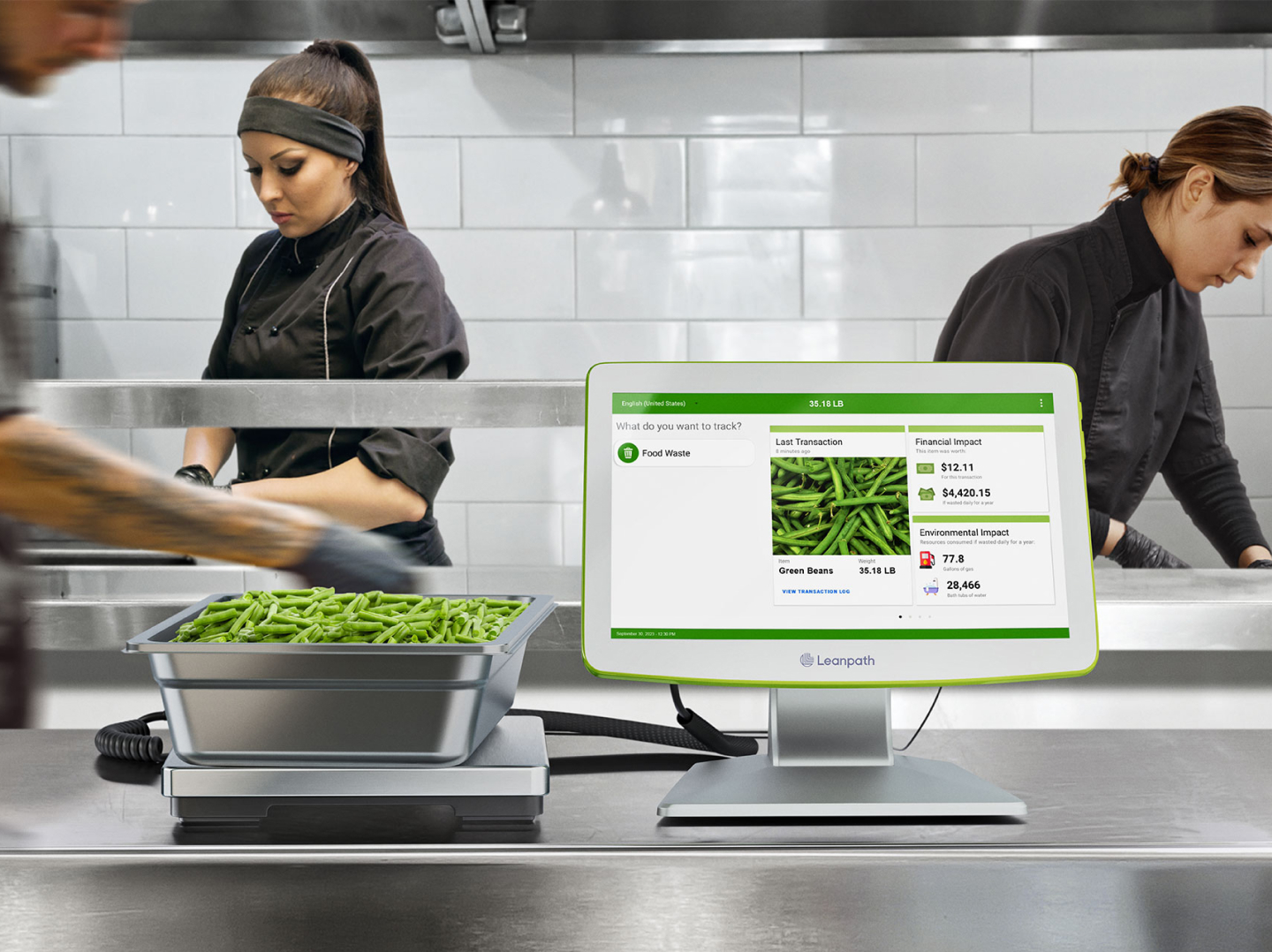
When data is captured consistently and turned into clear actions, they waste less, avoid rework, reduce claims, and protect margin without relying on heroic manual checks. What is food quality software, in plain terms? Food quality software is a system used to plan, record, verify, and improve food safety and quality work. It replaces scattered spreadsheets, paper logs, and disconnected audits with one source of truth. Most food safety quality management software platforms cover inspections, supplier management, HACCP and preventive controls, nonconformance handling, traceability, complaints, and reporting, usually through mobile forms and automated workflows. Why does waste happen so often in food operations? Waste often comes from small misses that compound: inconsistent checks, unclear specs, late detection, and slow decisions. A temperature gap, a labeling error, or an off-spec ingredient can trigger hold, rework, or disposal. When records live on paper, teams may not notice patterns until it is too late. Software makes those patterns visible early enough to change outcomes. How does software reduce waste at receiving? They reduce waste by catching problems before ingredients enter production. Digital receiving checks can enforce supplier specs, COA verification, temperature capture, photos, and pass-fail rules. If a lot fails, the system can trigger an automatic hold, notify the right owner, and log disposition steps. That prevents bad inputs from turning into large batches of scrap later. How does it prevent rework and scrap during production? They prevent rework by standardizing in-process checks and making deviations impossible to ignore. Operators can be guided through critical control points, allergen changeovers, metal detection, weights, and label verification. When a reading is out of range, the software can require corrective action before they proceed. That stops “keep running and fix it later,” which is a common path to scrap. How does it improve shelf-life control and inventory decisions? They improve shelf-life control by tying quality status to time, temperature, and location. Lots can be tracked with clear expiry rules, hold status, and FEFO guidance so older product moves first. With better visibility, planners can avoid overproduction and reduce the chance that finished goods expire in storage. Fewer surprises means fewer urgent disposals and write-offs. How does faster traceability reduce the cost of incidents? They reduce incident costs by shrinking the time it takes to find affected lots and customers. Better traceability supports targeted holds and withdrawals instead of broad, expensive actions. When records are searchable and linked, teams spend less time hunting paperwork and more time resolving the issue. That lowers labor cost, reduces disposal volume, and limits customer disruption. How does it help suppliers improve and cut incoming defects? They cut incoming defects by creating a closed loop with suppliers. Supplier scorecards, trend reports, and CAPA workflows make it easier to prove what is failing and how often. When suppliers receive clear data and consistent requirements, they can correct root causes faster. Better incoming quality means fewer line stops, fewer downgrades, and fewer rejected shipments.Learn more about how compliance tracking and brand reputation reporting can be used to protect and strengthen business performance. How does food quality software improve margins beyond waste reduction? They improve margins by lowering the hidden costs of poor quality: labor spent on manual logs, time lost to audits, downtime from investigations, and cost from customer claims and chargebacks. Automation also reduces the need for duplicate entry and helps new staff follow the same standards. Over time, consistent execution protects throughput and stabilizes unit economics.You may like to visit to learn more about : Using Compliance and Brand Reputation Reporting to Protect Your Business. What should they look for when choosing a system? They should choose a system that fits their process and is easy for frontline teams to use. Strong mobile forms, offline capability, fast reporting, and configurable workflows usually matter more than fancy dashboards. They should also check traceability depth, integration options, permissions, audit trails, and how CAPA and nonconformance are handled. If it cannot drive action, it will become another database. How can they get started without overwhelming the team? They can start with one high-waste area, such as receiving defects or temperature deviations, and digitize that workflow first. Quick wins build trust and create clean data for improvement. After that, they can expand into CAPA, supplier performance, and traceability. A phased rollout with clear owners and simple KPIs is usually what makes adoption stick. FAQs (Frequently Asked Questions) What is food quality software and how does it benefit food businesses? Food quality software is a system designed to plan, record, verify, and improve food safety and quality processes. It consolidates scattered spreadsheets, paper logs, and disconnected audits into one reliable source of truth. By tightening controls across receiving, production, storage, and dispatch, it helps teams catch issues earlier and act faster, reducing waste, avoiding rework, minimizing claims, and protecting profit margins without relying on manual checks. Why does waste frequently occur in food operations and how can software help? Waste often arises from small errors that accumulate over time such as inconsistent checks, unclear specifications, delayed issue detection, and slow decision-making. Issues like temperature gaps or labeling errors can lead to product holds, rework, or disposal. When records are kept on paper, patterns remain unnoticed until it’s too late. Food quality software makes these patterns visible early enough to enable corrective actions that reduce waste effectively. How does food quality software reduce waste during the receiving process? The software reduces waste at receiving by catching problems before ingredients enter production. Digital receiving checks enforce supplier specifications, Certificate of Analysis (COA) verification, temperature monitoring, photographic evidence, and pass-fail rules. If many items fail inspection, the system can automatically place holds, notify responsible personnel, and log disposition steps—preventing bad inputs from contaminating large batches and causing scrap later. In what ways does food quality software prevent rework and scrap during production? Food quality software standardizes in-process checks and ensures deviations cannot be ignored. It guides operators through critical control points such as allergen changeovers, metal detection, weight verification,

How Food Quality Software Helps Reduce Waste and Improve Margins Read More »

flowers

Kurraba Point Florist: Exquisite Floral Designs for Every Event

At Kurraba Point Florist, we believe that every occasion deserves the perfect floral touch. Whether you’re planning a grand wedding, a corporate gathering, or a cozy birthday celebration, our exquisite floral designs will elevate your event to new heights. Let’s explore the art of floral design, our distinctive approach, and how we create unique arrangements for various occasions. Understanding the Art of Floral Design kurraba point florist design is a creative art form that marries nature with craftsmanship. It involves selecting and arranging flowers, greens, and other plant materials to create a visually pleasing composition. Through floral design, we can convey emotions, enhance environments, and bring beauty to any event. The Importance of Floral Design in Events Floral arrangements play a pivotal role in setting the tone for any occasion. They not only beautify the space but also influence how guests feel. A well-designed floral centerpiece at a wedding can evoke romance and joy, while elegant arrangements in a corporate setting can reflect professionalism and sophistication. Additionally, flowers can create memorable experiences. Each arrangement tells a story and can be designed to match the theme of an event, making it more personalized and impactful. For instance, a rustic wedding may feature wildflowers and burlap accents, creating a charming, down-to-earth atmosphere, while a formal gala might showcase luxurious blooms like orchids and roses in sleek, modern vases. The choice of flowers and their arrangement can serve as a reflection of the couple’s personality or the company’s brand identity, further enhancing the overall experience for guests. The Role of Color and Texture in Floral Design Color and texture are fundamental elements of floral design. Choosing the right color palette can dramatically change the mood and ambiance of your event. Vibrant colors like reds and yellows can infuse energy and excitement, whereas softer tones such as pastels create elegance and tranquility. Texture also adds depth to floral arrangements. Combining smooth petals with rugged greens or whimsical branches creates visual interest. Our expert florists at Kurraba Point carefully select both color and texture to ensure that every arrangement is not only beautiful but also harmonious. Furthermore, the seasonal availability of flowers can influence both color and texture choices, allowing designers to incorporate unique elements that reflect the time of year. For example, autumn arrangements might highlight rich oranges, deep reds, and textured foliage, while spring designs could burst with fresh greens and delicate blooms, embodying the essence of renewal and growth. The interplay between these elements not only captivates the eye but also engages the senses, making floral design a truly immersive experience. The Kurraba Point Florist Difference What sets Kurraba Point Florist apart is our unwavering commitment to quality and creativity. We take immense pride in crafting floral designs that resonate with our clients’ visions and exceed their expectations. Our Approach to Floral Design Our approach to floral design revolves around understanding our clients’ needs. We begin by listening to your ideas, preferences, and the theme of your event. This dialogue allows us to conceptualize designs that truly reflect your desires. Furthermore, our experienced florists blend traditional techniques with modern trends, ensuring that our arrangements are both timeless and contemporary. We believe in innovating while honoring the classic art of flower arrangement. Each design is a unique expression, often inspired by the seasons, the latest floral trends, or even the personal stories of our clients. This results in arrangements that not only beautify spaces but also evoke emotions and memories. Our Commitment to Quality and Freshness At Kurraba Point Florist, we source our flowers from local growers whenever possible, ensuring that each bloom is fresh and vibrant. Our commitment to quality means that our floral arrangements not only look beautiful but also last longer, enhancing the overall experience of your event. Every flower is inspected for quality, and our arrangements are meticulously crafted to ensure that they meet our high standards. We consider the longevity of each arrangement, making sure that your flowers look stunning throughout your event. Additionally, we take pride in using sustainable practices, from eco-friendly packaging to minimizing waste. By supporting local growers and utilizing seasonal blooms, we not only contribute to the community but also ensure that our clients receive the freshest flowers available, which ultimately leads to a more vibrant and sustainable floral experience. Floral Designs for Different Events Floral designs can be tailored to suit any event. At Kurraba Point Florist, we specialize in creating unique arrangements for a variety of occasions, always with a personal touch. Weddings and Engagements Weddings and engagements are among the most significant events in a person’s life, and flowers play a key role in creating memorable moments. From lavish bridal bouquets to gorgeous altar arrangements, our team works closely with couples to design floral displays that capture their love story. We offer a wide range of styles, from classic romantic florals to modern, minimalist designs. Our goal is to ensure that every floral element contributes to the overall aesthetic of your special day. Additionally, we can incorporate seasonal blooms and unique foliage to reflect the time of year, enhancing the natural beauty of your venue. Every detail is considered, from the color palette to the fragrance, ensuring that the flowers not only look stunning but also evoke the right emotions for you and your guests. Corporate Events and Functions For corporate events, floral designs can enhance the professional atmosphere while keeping it inviting. Whether it’s for a product launch, a conference, or a gala, we create arrangements that align with your brand identity. Our team understands how to use flowers strategically to make a statement without overwhelming the space. Elegant centerpieces and subtle decorative touches can keep the focus on business while adding an element of sophistication. Furthermore, we can customize arrangements to incorporate your company colors or even include branded elements, ensuring that your floral displays not only beautify the venue but also reinforce your corporate image. By choosing the right flowers, we can help create an environment that

Kurraba Point Florist: Exquisite Floral Designs for Every Event Read More »

wireless temperature monitoring systems

How Wireless Temperature Monitoring Enhances Food Safety

The Importance of Food Safety Food safety is a critical concern for both consumers and businesses in the food industry. Ensuring that food is stored, prepared, and served at the correct temperatures is essential to prevent foodborne illnesses, which can have serious health implications. According to the World Health Organization, an estimated 600 million people fall ill after eating contaminated food each year, highlighting the need for robust food safety measures. The repercussions of foodborne illnesses extend beyond individual health; they can lead to significant economic losses for businesses due to recalls, legal actions, and damage to reputation. Therefore, a comprehensive understanding of food safety protocols is not just beneficial but vital for the sustainability of food enterprises. Temperature control plays a pivotal role in maintaining the safety and quality of food products. Bacteria thrive in certain temperature ranges, particularly between 5°C and 60°C, known as the “danger zone.” By monitoring and managing temperatures effectively, businesses can significantly reduce the risk of contamination and spoilage. Additionally, the implementation of advanced technologies, such as smart thermometers and temperature monitoring systems, has revolutionised the way food safety is managed. These innovations allow for real-time tracking of food temperatures, ensuring that any deviations from safe levels are promptly addressed. Furthermore, training staff on the importance of food safety and proper handling techniques fosters a culture of safety within the workplace, which is essential for maintaining high standards in food preparation and service. What is Wireless Temperature Monitoring? Wireless temperature monitoring refers to the use of advanced technology to continuously track and record the temperature of food storage environments without the need for physical checks. This system typically employs sensors that transmit data to a central monitoring system via Wi-Fi or Bluetooth, allowing for real-time tracking and alerts. These systems can be installed in various locations, including refrigerators, freezers, and storage rooms. By utilising wireless technology, businesses can ensure that temperature data is collected accurately and efficiently, reducing the likelihood of human error. Key Components of Wireless Temperature Monitoring Systems A typical wireless temperature monitoring system consists of several key components. Firstly, temperature sensors are placed in critical areas to measure the ambient temperature. These sensors are often equipped with advanced features, such as high accuracy and rapid response times. Secondly, a central monitoring unit collects data from the sensors and processes it for analysis. This unit can be accessed remotely via a computer or mobile device, allowing users to monitor temperature trends and receive alerts instantly. Lastly, software applications provide users with insights into temperature data, enabling them to generate reports and track compliance with food safety regulations. Benefits of Wireless Temperature Monitoring Implementing a wireless temperature monitoring system offers numerous benefits that enhance food safety and operational efficiency. These advantages can be categorised into several key areas. Real-Time Monitoring and Alerts One of the most significant benefits of wireless temperature monitoring is the ability to receive real-time alerts. When temperatures deviate from the set parameters, users are immediately notified via email or SMS. This prompt response allows businesses to take corrective action before food safety is compromised. For example, if a freezer malfunctions and the temperature rises above the acceptable range, the system can alert staff to investigate the issue and take necessary measures, such as relocating products or adjusting the temperature settings. This proactive approach can prevent significant financial losses and protect consumers from potential health risks. Data Accuracy and Compliance Manual temperature checks are often prone to human error, leading to inaccurate data and potential compliance issues. Wireless temperature monitoring systems eliminate this risk by providing precise, continuous data collection. This accuracy is crucial for businesses that must adhere to strict food safety regulations. Moreover, these systems often come equipped with data logging capabilities, which automatically record temperature readings over time. This data can be invaluable during audits, as it provides a clear record of compliance with food safety standards. By demonstrating adherence to regulations, businesses can avoid fines and enhance their reputation among consumers. Cost Efficiency and Resource Management Investing in a wireless temperature monitoring system can lead to significant cost savings in the long run. By preventing spoilage and waste, businesses can protect their bottom line. For instance, a restaurant that monitors its refrigeration units can avoid costly losses associated with food spoilage due to temperature fluctuations. Additionally, these systems can optimise resource management by providing insights into energy usage. By monitoring temperature trends, businesses can identify inefficiencies in their refrigeration systems and make adjustments to reduce energy consumption, ultimately leading to lower utility bills. Implementing Wireless Temperature Monitoring in Your Business For businesses looking to enhance their food safety practices, implementing a wireless temperature monitoring system is a strategic move. However, careful planning and consideration are essential to ensure a successful transition. Assessing Your Needs Before selecting a wireless temperature monitoring system, it is crucial to assess the specific needs of your business. Consider the types of food products you handle, the size of your storage facilities, and the regulatory requirements you must meet. This assessment will help you determine the number of sensors required and the features necessary for your operations. Engaging with stakeholders, including staff and management, can provide valuable insights into the unique challenges faced within the business. This collaborative approach ensures that the chosen system aligns with operational goals and enhances overall efficiency. Choosing the Right System With a plethora of wireless temperature monitoring systems available on the market, selecting the right one can be daunting. Key factors to consider include the accuracy of the sensors, the range of wireless connectivity, ease of use, and the quality of customer support offered by the provider. It is advisable to seek out systems that offer user-friendly interfaces and comprehensive training for staff. This will facilitate a smoother integration process and ensure that employees are confident in using the technology effectively. Training and Implementation Once a wireless temperature monitoring system has been selected, proper training is essential for successful implementation. Staff should be educated on

How Wireless Temperature Monitoring Enhances Food Safety Read More »

Scroll to Top