

This guide explains how reporting protects a business, what to track, and how to set up a simple system that leaders can actually use.
What does compliance and brand reputation reporting actually mean?
Compliance reporting shows whether a business is meeting legal, regulatory, and internal policy requirements. Brand reputation reporting shows how the market perceives them across reviews, social media, news, and customer feedback.
Used together, compliance food safety reporting and reputation monitoring connect risk to real-world impact. They help teams see how a policy breach could become a public issue, and how a public issue could trigger audits, churn, or lost deals.
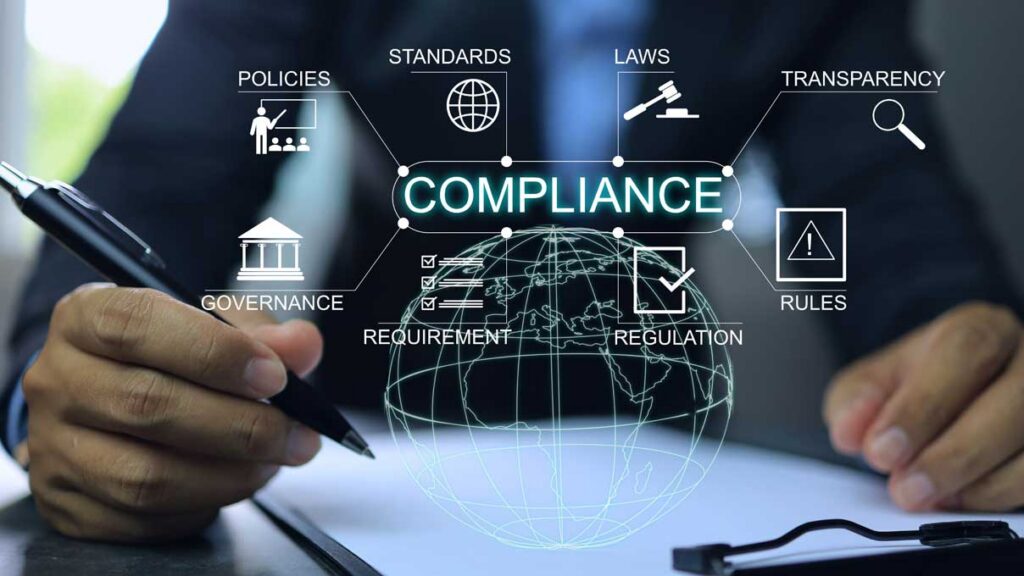
Why do businesses need both compliance and reputation reporting?
They need both because compliance failures often become reputation failures, and reputation failures often expose compliance weaknesses. Treating them separately leaves blind spots.
For example, a spike in negative reviews about billing transparency might signal a compliance risk in advertising claims or consumer protection rules. Likewise, a compliance incident can spread online within hours, turning a contained problem into a trust crisis.
What risks can reporting prevent before they become expensive?
Reporting can prevent fines, lawsuits, contract losses, and long-term brand erosion by catching patterns early. The key is trending, not just logging incidents.
Common preventable risks include repeat policy violations, rising customer complaints, supplier issues, employee misconduct patterns, and unaddressed security or privacy concerns. When leadership sees these trends in one place, they can fund fixes before the business pays for them publicly.
Which compliance metrics should they track consistently?
They should track metrics that show exposure, control strength, and follow-through. A small set of reliable indicators beats a long list no one reviews.
Core compliance metrics often include policy acknowledgment rates, training completion, audit findings by severity, time to remediate, incident volume by category, hotline reports, investigation cycle time, access control exceptions, and third-party due diligence status. They should also track repeat findings, which usually signal process failure.
Which reputation signals are most useful for decision-making?
They should focus on signals that predict customer behavior and partner confidence. Vanity metrics like follower count rarely help in a risk context.
Useful reputation signals include review ratings and volume by location or product, sentiment trends, complaint categories, response time to public feedback, escalation rate to regulators or chargebacks, share of voice versus competitors, recurring media narratives, and spikes in social mentions tied to specific incidents. They should link these signals to internal root causes.
How can they connect compliance reporting to brand outcomes?
They can connect them by mapping compliance categories to reputation themes and then tracking correlations over time. The objective is to translate operational data into actionable business intelligence that clearly demonstrates cause-and-effect relationships and drives leadership intervention.See also: a guide to data analytics and the Australian Privacy Principles for understanding governance, data handling, and compliant analytics practices.
For instance, if data privacy incidents rise, they should watch for changes in customer trust signals like cancellations, support tickets about security, and social sentiment. They can also tag reputation events with likely drivers such as vendor failures, misleading messaging, or employee behavior.

Who should own the reporting and how should roles be split?
They should assign a single owner for the combined risk narrative, usually a compliance leader, risk officer, or operations leader with authority to drive remediation. Marketing or communications should contribute but not control the reporting.
A practical split is: compliance owns controls and audits, customer support owns complaint taxonomy, security owns incidents, HR owns conduct issues, comms owns media monitoring, and a central owner consolidates it into one executive-ready view. Legal should review escalation rules.
How often should they report without creating busywork?
They should report at different rhythms depending on audience and risk level. The goal is fast detection and calm decision-making, not constant noise.
Many teams use weekly operational dashboards for trends and escalations, monthly leadership summaries for key risks and fixes, and quarterly board reporting for material issues, heat maps, and program maturity. Real-time alerts should be reserved for severity thresholds like regulatory triggers or viral spikes.
What should an effective report look like for executives?
It should answer three questions quickly: what changed, why it matters, and what they are doing next. Executives should not need to interpret raw data.
A strong report includes a one-page summary, a short risk heat map, top five trend lines, major incidents with status, root cause themes, remediation owners and dates, and decisions needed from leadership. It should include plain-language impact such as revenue risk, customer impact, or contract exposure.
How can they use reporting to respond faster during a crisis?
They can use reporting as an early warning system and as a single source of truth during response. When dashboards are already trusted, teams waste less time arguing about what is happening.
They should predefine triggers, owners, and playbooks tied to metrics. For example, if negative sentiment spikes after an incident, the report should show the incident timeline, affected customers, actions taken, and communication status. This prevents conflicting messages and helps them document due diligence.
What mistakes make compliance and reputation reporting useless?
The biggest mistake is reporting that is technically correct but operationally ignored. That happens when metrics are not actionable or are disconnected from decisions.
Other common mistakes include inconsistent definitions, manual spreadsheets that break, hiding bad news, focusing only on completed training instead of behavior change, failing to track remediation, and dumping too much data without priorities. Reporting should drive action, not just prove activity.
How should they start if they have no formal reporting today?
They should start small with one dashboard that combines the top compliance risks and top reputation signals. A minimal system that gets used is better than a perfect one that never ships.
They can begin by defining five to ten core metrics, establishing clear thresholds, assigning accountable owners, and conducting structured monthly reviews. From there, maturity can be scaled through automation, deeper analytical layers, and executive-level reporting frameworks. In most cases, the initial measurable gain comes from isolating a single recurring failure point and implementing a permanent corrective action loop.More insights on how food quality software supports waste reduction and margin optimisation.
What is the simplest way to wrap it all up?
Compliance and brand reputation reporting protects a business by making risk visible early and forcing follow-through. When they track the right signals, connect them to outcomes, and report in a decision-ready format, they reduce surprises and strengthen trust.
The safest businesses are not the ones with zero incidents. They are the ones that detect problems fast, communicate clearly, and prove they fixed the root cause.

FAQs (Frequently Asked Questions)
What is compliance and brand reputation reporting, and why are they important for businesses?
Compliance reporting measures how well a business meets legal, regulatory, and internal policy requirements, while brand reputation reporting gauges market perception through reviews, social media, news, and customer feedback. Together, they connect risk to real-world impact, helping businesses spot issues early, maintain trust, and prevent crises.
Why should businesses integrate both compliance and reputation reporting instead of handling them separately?
Because compliance failures often lead to reputation damage and vice versa. Treating them separately creates blind spots; for example, negative reviews may signal compliance risks like misleading advertising. Integrated reporting enables teams to detect patterns that could escalate into trust crises or regulatory audits.
Which key metrics should businesses consistently track for effective compliance reporting?
Businesses should focus on a small set of reliable indicators such as policy acknowledgment rates, training completion, audit findings by severity, incident volume by category, time to remediate issues, hotline reports, investigation cycle times, access control exceptions, third-party due diligence status, and repeat findings to identify process failures.
What reputation signals are most useful for making informed business decisions?
Useful reputation signals include review ratings and volumes segmented by location or product, sentiment trends over time, complaint categories, response times to public feedback, escalation rates to regulators or chargebacks, share of voice compared to competitors, recurring media narratives, and spikes in social mentions tied to specific incidents. These should be linked back to internal root causes.
How can organizations connect compliance reporting data to brand outcomes effectively?
By mapping compliance categories directly to reputation themes and tracking correlations over time. For instance, an increase in data privacy incidents should be monitored alongside changes in customer trust indicators like cancellations or negative social sentiment. Tagging reputation events with likely drivers such as vendor failures or employee behavior helps leadership understand cause and effect clearly enough to take action.
Who should own the combined compliance and brand reputation reporting process within a company?
A single owner—often a compliance leader, risk officer, or operations leader with authority to drive remediation—should manage the combined risk narrative. Other departments contribute their expertise: compliance handles controls and audits; customer support manages complaint taxonomy; security oversees incidents; HR addresses conduct issues; communications monitors media; while legal reviews escalation rules. This centralized ownership ensures cohesive executive-ready reporting.