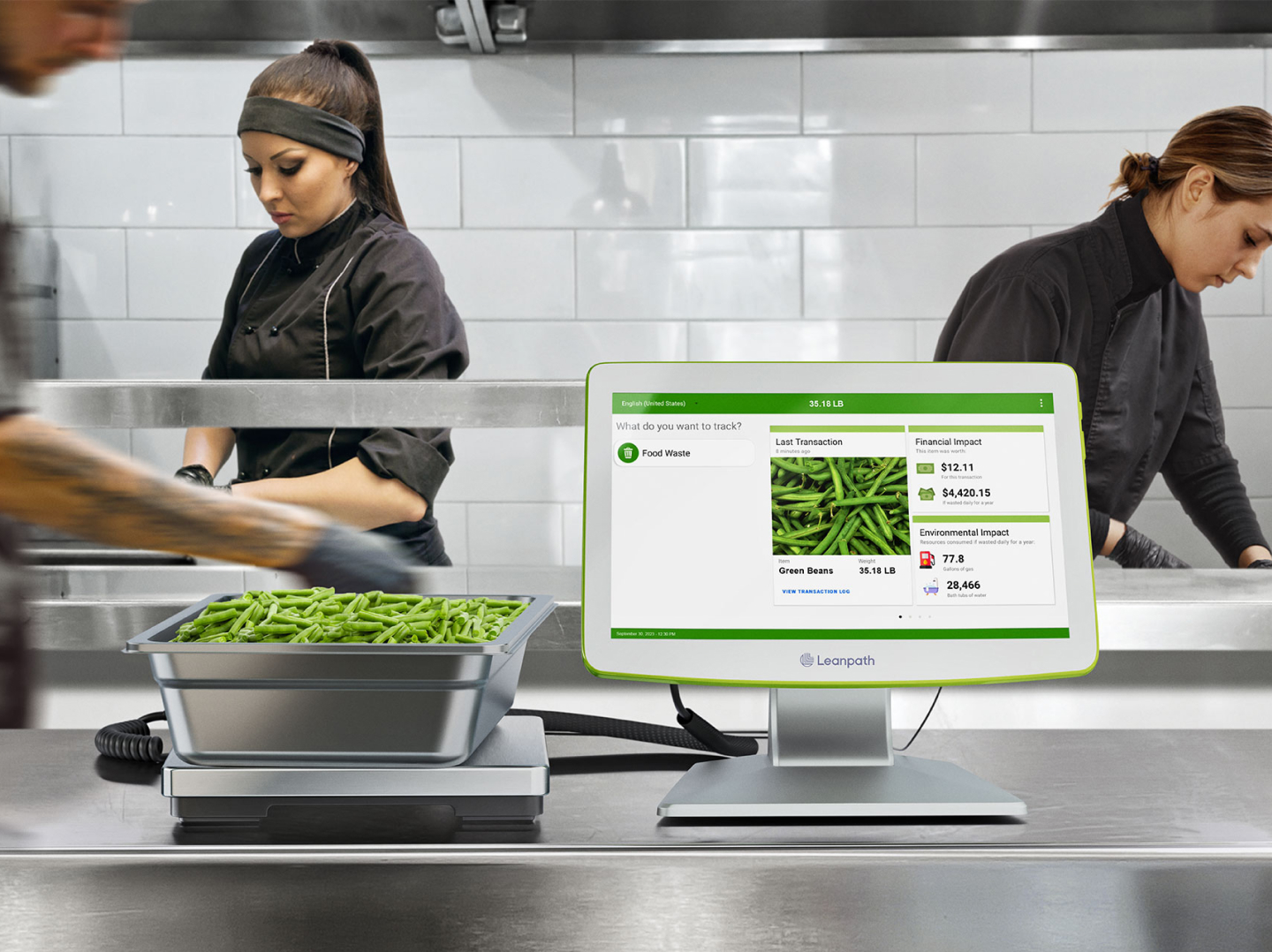
How Food Quality Software Helps Reduce Waste and Improve Margins
When data is captured consistently and turned into clear actions, they waste less, avoid rework, reduce claims, and protect margin without relying on heroic manual checks. What is food quality software, in plain terms? Food quality software is a system used to plan, record, verify, and improve food safety and quality work. It replaces scattered spreadsheets, paper logs, and disconnected audits with one source of truth. Most food safety quality management software platforms cover inspections, supplier management, HACCP and preventive controls, nonconformance handling, traceability, complaints, and reporting, usually through mobile forms and automated workflows. Why does waste happen so often in food operations? Waste often comes from small misses that compound: inconsistent checks, unclear specs, late detection, and slow decisions. A temperature gap, a labeling error, or an off-spec ingredient can trigger hold, rework, or disposal. When records live on paper, teams may not notice patterns until it is too late. Software makes those patterns visible early enough to change outcomes. How does software reduce waste at receiving? They reduce waste by catching problems before ingredients enter production. Digital receiving checks can enforce supplier specs, COA verification, temperature capture, photos, and pass-fail rules. If a lot fails, the system can trigger an automatic hold, notify the right owner, and log disposition steps. That prevents bad inputs from turning into large batches of scrap later. How does it prevent rework and scrap during production? They prevent rework by standardizing in-process checks and making deviations impossible to ignore. Operators can be guided through critical control points, allergen changeovers, metal detection, weights, and label verification. When a reading is out of range, the software can require corrective action before they proceed. That stops “keep running and fix it later,” which is a common path to scrap. How does it improve shelf-life control and inventory decisions? They improve shelf-life control by tying quality status to time, temperature, and location. Lots can be tracked with clear expiry rules, hold status, and FEFO guidance so older product moves first. With better visibility, planners can avoid overproduction and reduce the chance that finished goods expire in storage. Fewer surprises means fewer urgent disposals and write-offs. How does faster traceability reduce the cost of incidents? They reduce incident costs by shrinking the time it takes to find affected lots and customers. Better traceability supports targeted holds and withdrawals instead of broad, expensive actions. When records are searchable and linked, teams spend less time hunting paperwork and more time resolving the issue. That lowers labor cost, reduces disposal volume, and limits customer disruption. How does it help suppliers improve and cut incoming defects? They cut incoming defects by creating a closed loop with suppliers. Supplier scorecards, trend reports, and CAPA workflows make it easier to prove what is failing and how often. When suppliers receive clear data and consistent requirements, they can correct root causes faster. Better incoming quality means fewer line stops, fewer downgrades, and fewer rejected shipments. How does food quality software improve margins beyond waste reduction? They improve margins by lowering the hidden costs of poor quality: labor spent on manual logs, time lost to audits, downtime from investigations, and cost from customer claims and chargebacks. Automation also reduces the need for duplicate entry and helps new staff follow the same standards. Over time, consistent execution protects throughput and stabilizes unit economics. What should they look for when choosing a system? They should choose a system that fits their process and is easy for frontline teams to use. Strong mobile forms, offline capability, fast reporting, and configurable workflows usually matter more than fancy dashboards. They should also check traceability depth, integration options, permissions, audit trails, and how CAPA and nonconformance are handled. If it cannot drive action, it will become another database. How can they get started without overwhelming the team? They can start with one high-waste area, such as receiving defects or temperature deviations, and digitize that workflow first. Quick wins build trust and create clean data for improvement. After that, they can expand into CAPA, supplier performance, and traceability. A phased rollout with clear owners and simple KPIs is usually what makes adoption stick. FAQs (Frequently Asked Questions) What is food quality software and how does it benefit food businesses? Food quality software is a system designed to plan, record, verify, and improve food safety and quality processes. It consolidates scattered spreadsheets, paper logs, and disconnected audits into one reliable source of truth. By tightening controls across receiving, production, storage, and dispatch, it helps teams catch issues earlier and act faster, reducing waste, avoiding rework, minimizing claims, and protecting profit margins without relying on manual checks. Why does waste frequently occur in food operations and how can software help? Waste often arises from small errors that accumulate over time such as inconsistent checks, unclear specifications, delayed issue detection, and slow decision-making. Issues like temperature gaps or labeling errors can lead to product holds, rework, or disposal. When records are kept on paper, patterns remain unnoticed until it’s too late. Food quality software makes these patterns visible early enough to enable corrective actions that reduce waste effectively. How does food quality software reduce waste during the receiving process? The software reduces waste at receiving by catching problems before ingredients enter production. Digital receiving checks enforce supplier specifications, Certificate of Analysis (COA) verification, temperature monitoring, photographic evidence, and pass-fail rules. If many items fail inspection, the system can automatically place holds, notify responsible personnel, and log disposition steps—preventing bad inputs from contaminating large batches and causing scrap later. In what ways does food quality software prevent rework and scrap during production? Food quality software standardizes in-process checks and ensures deviations cannot be ignored. It guides operators through critical control points such as allergen changeovers, metal detection, weight verification, and label checks. When readings fall outside acceptable ranges, the system requires corrective action before proceeding—eliminating the risky ‘keep running and fix it later’ approach that often leads to scrap. You may like to visit https://hegirlwithbangs.com/?p=1743 to
How Food Quality Software Helps Reduce Waste and Improve Margins Read More »