
March 7, 2026

Compilance

Using Compliance and Brand Reputation Reporting to Protect Your Business

This guide explains how reporting protects a business, what to track, and how to set up a simple system that leaders can actually use. What does compliance and brand reputation reporting actually mean? Compliance reporting shows whether a business is meeting legal, regulatory, and internal policy requirements. Brand reputation reporting shows how the market perceives them across reviews, social media, news, and customer feedback. Used together, compliance food safety reporting and reputation monitoring connect risk to real-world impact. They help teams see how a policy breach could become a public issue, and how a public issue could trigger audits, churn, or lost deals. Why do businesses need both compliance and reputation reporting? They need both because compliance failures often become reputation failures, and reputation failures often expose compliance weaknesses. Treating them separately leaves blind spots. For example, a spike in negative reviews about billing transparency might signal a compliance risk in advertising claims or consumer protection rules. Likewise, a compliance incident can spread online within hours, turning a contained problem into a trust crisis. What risks can reporting prevent before they become expensive? Reporting can prevent fines, lawsuits, contract losses, and long-term brand erosion by catching patterns early. The key is trending, not just logging incidents. Common preventable risks include repeat policy violations, rising customer complaints, supplier issues, employee misconduct patterns, and unaddressed security or privacy concerns. When leadership sees these trends in one place, they can fund fixes before the business pays for them publicly. Which compliance metrics should they track consistently? They should track metrics that show exposure, control strength, and follow-through. A small set of reliable indicators beats a long list no one reviews. Core compliance metrics often include policy acknowledgment rates, training completion, audit findings by severity, time to remediate, incident volume by category, hotline reports, investigation cycle time, access control exceptions, and third-party due diligence status. They should also track repeat findings, which usually signal process failure. Which reputation signals are most useful for decision-making? They should focus on signals that predict customer behavior and partner confidence. Vanity metrics like follower count rarely help in a risk context. Useful reputation signals include review ratings and volume by location or product, sentiment trends, complaint categories, response time to public feedback, escalation rate to regulators or chargebacks, share of voice versus competitors, recurring media narratives, and spikes in social mentions tied to specific incidents. They should link these signals to internal root causes. How can they connect compliance reporting to brand outcomes? They can connect them by mapping compliance categories to reputation themes and then tracking correlations over time. The goal is to show cause and effect clearly enough that leadership acts. For instance, if data privacy incidents rise, they should watch for changes in customer trust signals like cancellations, support tickets about security, and social sentiment. They can also tag reputation events with likely drivers such as vendor failures, misleading messaging, or employee behavior. Who should own the reporting and how should roles be split? They should assign a single owner for the combined risk narrative, usually a compliance leader, risk officer, or operations leader with authority to drive remediation. Marketing or communications should contribute but not control the reporting. A practical split is: compliance owns controls and audits, customer support owns complaint taxonomy, security owns incidents, HR owns conduct issues, comms owns media monitoring, and a central owner consolidates it into one executive-ready view. Legal should review escalation rules. How often should they report without creating busywork? They should report at different rhythms depending on audience and risk level. The goal is fast detection and calm decision-making, not constant noise. Many teams use weekly operational dashboards for trends and escalations, monthly leadership summaries for key risks and fixes, and quarterly board reporting for material issues, heat maps, and program maturity. Real-time alerts should be reserved for severity thresholds like regulatory triggers or viral spikes. What should an effective report look like for executives? It should answer three questions quickly: what changed, why it matters, and what they are doing next. Executives should not need to interpret raw data. A strong report includes a one-page summary, a short risk heat map, top five trend lines, major incidents with status, root cause themes, remediation owners and dates, and decisions needed from leadership. It should include plain-language impact such as revenue risk, customer impact, or contract exposure. How can they use reporting to respond faster during a crisis? They can use reporting as an early warning system and as a single source of truth during response. When dashboards are already trusted, teams waste less time arguing about what is happening. They should predefine triggers, owners, and playbooks tied to metrics. For example, if negative sentiment spikes after an incident, the report should show the incident timeline, affected customers, actions taken, and communication status. This prevents conflicting messages and helps them document due diligence. What mistakes make compliance and reputation reporting useless? The biggest mistake is reporting that is technically correct but operationally ignored. That happens when metrics are not actionable or are disconnected from decisions. Other common mistakes include inconsistent definitions, manual spreadsheets that break, hiding bad news, focusing only on completed training instead of behavior change, failing to track remediation, and dumping too much data without priorities. Reporting should drive action, not just prove activity. How should they start if they have no formal reporting today? They should start small with one dashboard that combines the top compliance risks and top reputation signals. A minimal system that gets used is better than a perfect one that never ships. They can begin by defining five to ten metrics, setting thresholds, assigning owners, and reviewing them monthly. Then they can expand into automation, deeper analysis, and board-level maturity reporting. The first win is usually identifying one repeated issue and fixing it permanently. What is the simplest way to wrap it all up? Compliance and brand reputation reporting protects a business by making risk visible early and forcing follow-through.

Using Compliance and Brand Reputation Reporting to Protect Your Business Read More »
Food Quality Software

How Food Quality Software Helps Reduce Waste and Improve Margins

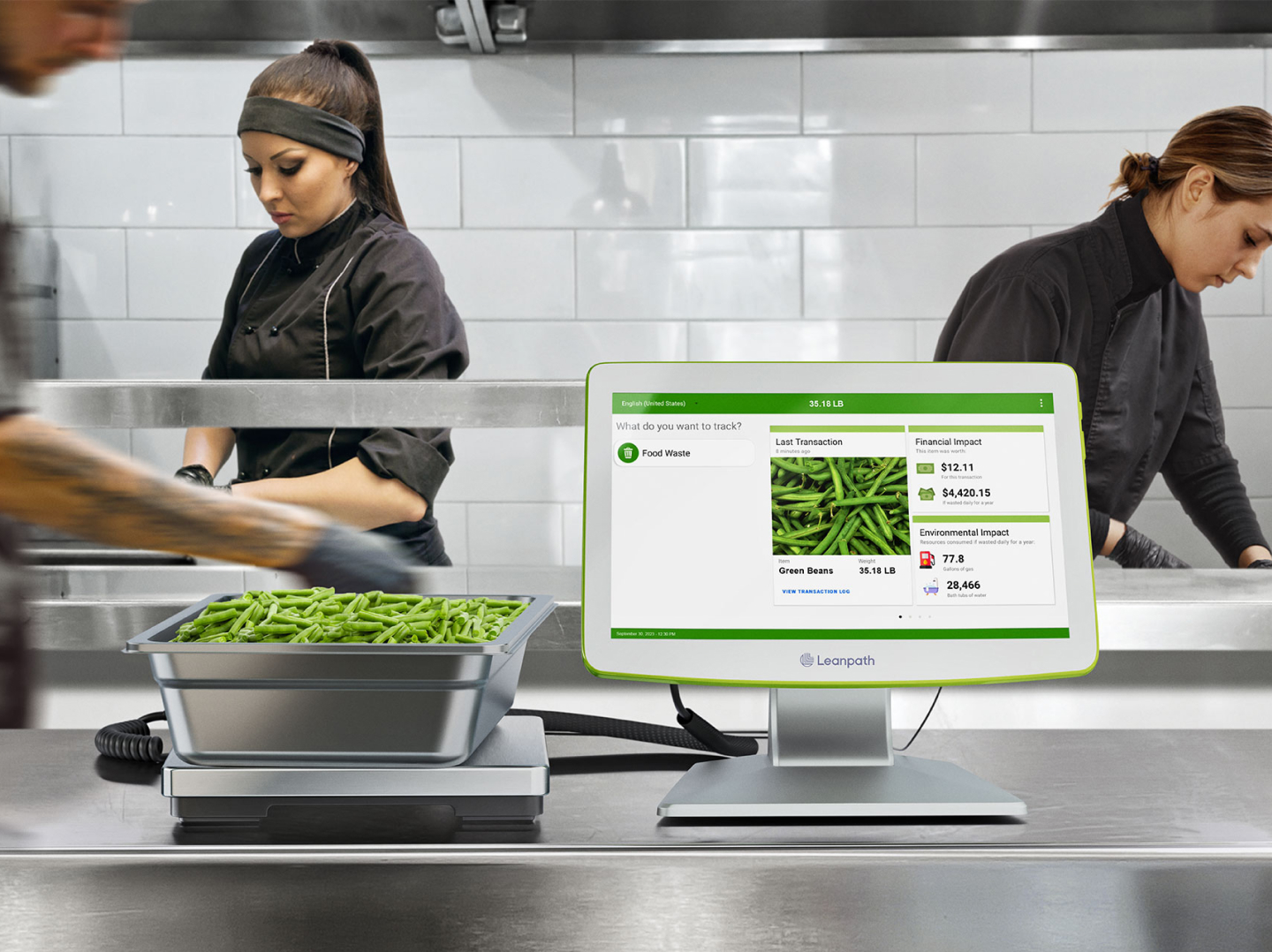
When data is captured consistently and turned into clear actions, they waste less, avoid rework, reduce claims, and protect margin without relying on heroic manual checks. What is food quality software, in plain terms? Food quality software is a system used to plan, record, verify, and improve food safety and quality work. It replaces scattered spreadsheets, paper logs, and disconnected audits with one source of truth. Most food safety quality management software platforms cover inspections, supplier management, HACCP and preventive controls, nonconformance handling, traceability, complaints, and reporting, usually through mobile forms and automated workflows. Why does waste happen so often in food operations? Waste often comes from small misses that compound: inconsistent checks, unclear specs, late detection, and slow decisions. A temperature gap, a labeling error, or an off-spec ingredient can trigger hold, rework, or disposal. When records live on paper, teams may not notice patterns until it is too late. Software makes those patterns visible early enough to change outcomes. How does software reduce waste at receiving? They reduce waste by catching problems before ingredients enter production. Digital receiving checks can enforce supplier specs, COA verification, temperature capture, photos, and pass-fail rules. If a lot fails, the system can trigger an automatic hold, notify the right owner, and log disposition steps. That prevents bad inputs from turning into large batches of scrap later. How does it prevent rework and scrap during production? They prevent rework by standardizing in-process checks and making deviations impossible to ignore. Operators can be guided through critical control points, allergen changeovers, metal detection, weights, and label verification. When a reading is out of range, the software can require corrective action before they proceed. That stops “keep running and fix it later,” which is a common path to scrap. How does it improve shelf-life control and inventory decisions? They improve shelf-life control by tying quality status to time, temperature, and location. Lots can be tracked with clear expiry rules, hold status, and FEFO guidance so older product moves first. With better visibility, planners can avoid overproduction and reduce the chance that finished goods expire in storage. Fewer surprises means fewer urgent disposals and write-offs. How does faster traceability reduce the cost of incidents? They reduce incident costs by shrinking the time it takes to find affected lots and customers. Better traceability supports targeted holds and withdrawals instead of broad, expensive actions. When records are searchable and linked, teams spend less time hunting paperwork and more time resolving the issue. That lowers labor cost, reduces disposal volume, and limits customer disruption. How does it help suppliers improve and cut incoming defects? They cut incoming defects by creating a closed loop with suppliers. Supplier scorecards, trend reports, and CAPA workflows make it easier to prove what is failing and how often. When suppliers receive clear data and consistent requirements, they can correct root causes faster. Better incoming quality means fewer line stops, fewer downgrades, and fewer rejected shipments. How does food quality software improve margins beyond waste reduction? They improve margins by lowering the hidden costs of poor quality: labor spent on manual logs, time lost to audits, downtime from investigations, and cost from customer claims and chargebacks. Automation also reduces the need for duplicate entry and helps new staff follow the same standards. Over time, consistent execution protects throughput and stabilizes unit economics. What should they look for when choosing a system? They should choose a system that fits their process and is easy for frontline teams to use. Strong mobile forms, offline capability, fast reporting, and configurable workflows usually matter more than fancy dashboards. They should also check traceability depth, integration options, permissions, audit trails, and how CAPA and nonconformance are handled. If it cannot drive action, it will become another database. How can they get started without overwhelming the team? They can start with one high-waste area, such as receiving defects or temperature deviations, and digitize that workflow first. Quick wins build trust and create clean data for improvement. After that, they can expand into CAPA, supplier performance, and traceability. A phased rollout with clear owners and simple KPIs is usually what makes adoption stick. FAQs (Frequently Asked Questions) What is food quality software and how does it benefit food businesses? Food quality software is a system designed to plan, record, verify, and improve food safety and quality processes. It consolidates scattered spreadsheets, paper logs, and disconnected audits into one reliable source of truth. By tightening controls across receiving, production, storage, and dispatch, it helps teams catch issues earlier and act faster, reducing waste, avoiding rework, minimizing claims, and protecting profit margins without relying on manual checks. Why does waste frequently occur in food operations and how can software help? Waste often arises from small errors that accumulate over time such as inconsistent checks, unclear specifications, delayed issue detection, and slow decision-making. Issues like temperature gaps or labeling errors can lead to product holds, rework, or disposal. When records are kept on paper, patterns remain unnoticed until it’s too late. Food quality software makes these patterns visible early enough to enable corrective actions that reduce waste effectively. How does food quality software reduce waste during the receiving process? The software reduces waste at receiving by catching problems before ingredients enter production. Digital receiving checks enforce supplier specifications, Certificate of Analysis (COA) verification, temperature monitoring, photographic evidence, and pass-fail rules. If many items fail inspection, the system can automatically place holds, notify responsible personnel, and log disposition steps—preventing bad inputs from contaminating large batches and causing scrap later. In what ways does food quality software prevent rework and scrap during production? Food quality software standardizes in-process checks and ensures deviations cannot be ignored. It guides operators through critical control points such as allergen changeovers, metal detection, weight verification, and label checks. When readings fall outside acceptable ranges, the system requires corrective action before proceeding—eliminating the risky ‘keep running and fix it later’ approach that often leads to scrap. You may like to visit https://hegirlwithbangs.com/?p=1743 to

How Food Quality Software Helps Reduce Waste and Improve Margins Read More »

Scroll to Top